SEO vs PPC – How to Choose the Right Strategy for Your Small Business Marketing
Should you invest in SEO or PPC for your small business? This comprehensive guide breaks down both strategies, their costs, benefits, and when to use each.
On this page
Many businesses struggle deciding where to invest marketing funds for maximum impact. Should you focus on building long-term organic presence with SEO, or drive immediate traffic with PPC ads? Perhaps there’s a way to combine both strategies effectively.
Understanding the Core Difference
SEO (Search Engine Optimization) is the strategic process of improving your website’s visibility on search engines organically through optimization. For small businesses, this means earning top rankings for relevant keywords, building long-term brand authority, and attracting high-quality, free traffic over time.
PPC (Pay-Per-Click) is an online advertising model where you pay a fee each time your ad is clicked. It allows for immediate visibility in sponsored search results, precise targeting of potential customers, and direct control over your marketing budget.
SEO: The Long-Term Play
Pros
- Sustainable, long-term traffic that compounds over time
- High ROI potential due to “free” nature after ranking
- Increased brand credibility and trust from organic rankings
- Better user experience naturally follows SEO best practices
- Competitive advantage difficult for competitors to replicate
- Cost-effective lead generation long-term
Cons
- Takes 3-6 months (or longer) to see significant results
- Requires ongoing effort and continuous investment
- Algorithm changes can impact rankings unpredictably
- No guarantees of specific rankings
- Complexity requires expert guidance
Best for: Sustainable, long-term growth, establishing unquestionable brand authority, and attracting cost-effective qualified traffic.
PPC: The Immediate Impact
Pros
- Immediate visibility and traffic within days
- Precise targeting minimizes wasted ad spend
- Complete budget control with clear spending limits
- Measurable results with clear ROI tracking
- Campaign flexibility and agility for quick adjustments
- Ability to reach new audiences and outrank competitors short-term
Cons
- Continuous cost per click. Traffic stops when funding stops
- Rising CPC in competitive industries strains small budgets
- Ad fatigue diminishes returns over time
- Risk of click fraud draining budgets
- Requires expertise to avoid wasting money
- Entirely dependent on platform policies and changes
Best for: Immediate traffic, quick lead generation, promoting specific offers with precise targeting, and testing new markets rapidly.
Direct Comparison
| Feature | SEO | PPC |
|---|---|---|
| Cost Structure | Upfront investment in content/optimization | Direct cost per click |
| Time to Results | 3-6+ months | Hours/days |
| Control | Less direct; algorithm-dependent | High control over placement/messaging |
| Sustainability | Sustainable long-term | Temporary; stops with funding |
| Visibility | Below ads; often trusted more | At top; marked as “Ad” |
| Conversion Focus | All funnel stages | Primarily purchase intent |
| Data Insights | Behavior/keyword performance | Granular conversion data |
The Power of Combining Both Strategies
Rather than choosing one, successful small businesses often blend SEO and PPC for synergistic benefits:
- Dominant search presence by appearing in both organic and paid results
- Risk mitigation: PPC fills immediate gaps while SEO builds authority
- Data-driven insights where PPC performance informs SEO strategy
- Brand reinforcement through repeated visibility
- Remarketing opportunities to re-engage previous visitors
- Long-term cost efficiency as SEO rankings reduce PPC dependency
Practical Integration Strategies
- Use shared keyword research across both channels
- Amplify SEO content through PPC promotion
- A/B test messaging with PPC before investing in SEO content
- Target competitive keywords with PPC while building organic authority
- Deploy seasonal PPC boosts alongside stable SEO foundation
- Protect brand with PPC campaigns for branded terms
Decision Framework: Your Business, Your Strategy
Step 1: Define Primary Goals
- Immediate lead generation/sales?
- Long-term brand building and authority?
- Market testing and validation?
- Maximum ROI on limited budget?
Step 2: Assess Budget
- High ($1,500+): Blended strategy optimal
- Moderate ($500-$1,500): Prioritize or carefully allocate
- Limited (under $500): SEO more sustainable long-term
Step 3: Timeline for Results
- Urgent (days/weeks): PPC is fastest route
- Medium-term (3-6 months): Strategic blend works
- Long-term (6-12+ months): SEO as core focus
Step 4: Industry Analysis
- Highly competitive: Both strategies needed
- Niche with less competition: SEO yields faster results
- Local business: Local SEO non-negotiable plus local PPC
Measuring Success: Data-Driven ROI
At DigitalMarketingServices.pro, we emphasize transparent reporting and measurable results:
- Strategic goal setting with clear Key Performance Indicators (KPIs)
- Meticulous tracking of metrics across platforms
- Transparent reporting in easy-to-understand dashboards
- Regular consultations to review progress and plan optimization
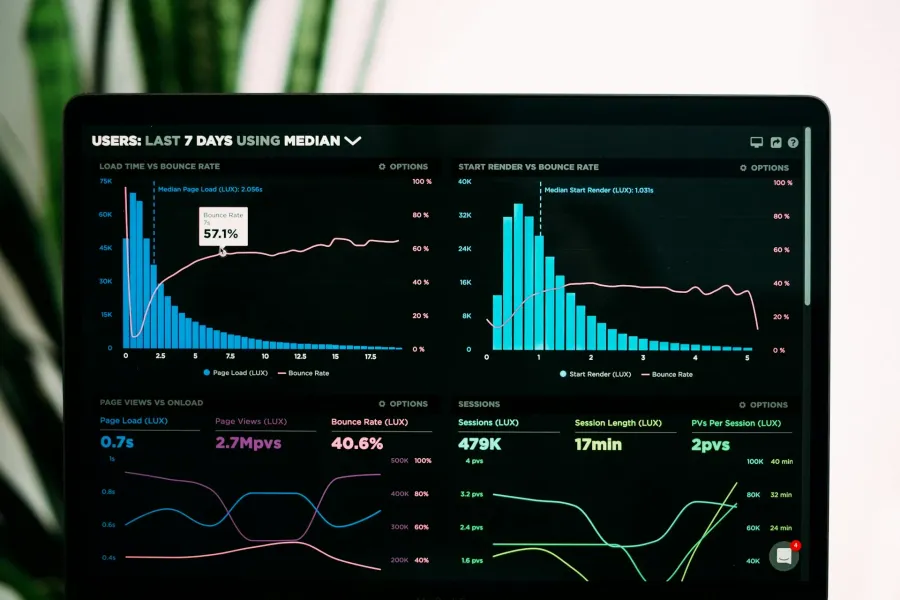
For SEO, track organic traffic growth, keyword rankings, and conversion rates from organic search. For PPC, monitor cost-per-click, conversion rates, cost-per-acquisition, and return on ad spend.
Common Small Business Challenges Addressed
- Overwhelm: Demystified concepts explained in simple terms
- Budget anxiety: Data-driven approach shows clear ROI
- Time constraints: Experts manage intricacies
- Uncertainty: Transparent reporting eliminates guesswork
- Short vs. long-term: Framework reconciles immediate and sustained needs
Conclusion
The SEO vs PPC debate isn’t about choosing one over the other. It’s about understanding your specific business goals, budget constraints, and timeline to determine the optimal strategy. Whether that’s SEO for long-term authority, PPC for immediate results, or a combination of both, the right approach depends on your unique situation. If you want help figuring out the right mix for your business, let’s talk about your options.