What is 302 Redirect?
TL;DR
A temporary redirect that tells search engines "this page has moved for now, but it's coming back." Unlike a 301 Redirect, a 302 doesn't transfer full Page Authority to the destination because Google expects the original URL to return. Use 302s only for genuinely temporary situations. The most common SEO mistake is using 302s when 301s are needed.
On this page
Why 302 Redirect Matters
302 redirects exist for a specific reason: temporary moves. The problem is most URL changes aren't temporary. When you use 302 for a permanent change, Google hesitates to transfer SEO value because it's waiting for the original page to come back.
The real-world impact: A site migration using 302s instead of 301s can see rankings stall for months. Google keeps the old URLs in its index, waiting. Meanwhile, the new URLs struggle to rank because they're not receiving the link equity they should inherit.
When 302s make sense:
- A/B testing where you'll restore the original
- Maintenance pages that last hours or days
- Geographic redirects that vary by user location
- Seasonal content that cycles annually
If you're asking "should this be a 301 or 302?" the answer is almost always 301. True temporary redirects are rare.
How 302 Redirect Works
302 redirects work the same way as 301 Redirects technically. The browser requests the old URL, gets a "302 Found" status with the new location, and follows the redirect.
The difference is what Google does with that signal:
With a 301: Google transfers ranking signals to the new URL and eventually removes the old URL from its index.
With a 302: Google keeps the old URL in its index and doesn't fully transfer ranking signals. It's waiting for the original to return.
This is why accidental 302s cause problems. Google is doing exactly what you told it: treating the move as temporary when it's actually permanent.
302 Redirect Best Practices
-
Default to 301. If you're unsure whether a redirect should be 301 or 302, use 301. True temporary redirects are rare in practice.
-
Audit your existing redirects. Many CMS platforms and plugins default to 302. Check your current redirects with Screaming Frog or a browser extension.
-
Set expiration reminders. If you do use a 302, set a calendar reminder to either remove it or convert to 301. 302s shouldn't exist indefinitely.
-
Check your hosting defaults. Some web servers and CDNs default to 302 for redirect rules. Always verify the status code after implementation.
Common 302 Redirect Mistakes to Avoid
-
Using 302 for permanent moves. The classic mistake. You redesigned the site, changed URLs, and used 302s because the tool defaulted to it. Three years later, those are still 302s. Change them.
-
Assuming 302s are harmless. They're not harmful if truly temporary, but they actively prevent SEO value transfer when used incorrectly. This isn't neutral. It's a missed opportunity.
-
Forgetting to follow up. Setting up 302s for a 'temporary' situation, then never revisiting. If the temporary situation became permanent (it usually does), those need to become 301s.
Frequently Asked Questions About 302 Redirect
What's the difference between 301 and 302 redirects?
301 means 'moved permanently' and transfers SEO value to the new URL. 302 means 'moved temporarily' and signals the original URL will return. Using 302 when you mean 301 prevents proper link equity transfer.
When should I use a 302 redirect?
Only for genuinely temporary situations: A/B testing where the original page returns within days or weeks, maintenance redirects lasting hours, or geographic redirects that vary by user. If you're not sure, use 301.
I accidentally used 302s instead of 301s. Is that bad?
Yes, but fixable. Your new pages may not rank as well as they should because they're not receiving full SEO value. Change them to 301s. Google will take time to reprocess, but rankings should improve once corrected.
How do I check if my redirects are 301 or 302?
Use a tool like httpstatus.io, curl -I in terminal, or a browser extension like Redirect Path. Enter your old URL and check the status code. If you see 302 where you expected 301, update your redirect rules.
Will Google eventually treat old 302s as 301s?
Sometimes, but don't rely on it. Google has said they may treat long-standing 302s as permanent, but this isn't guaranteed and takes a long time. Just use the correct redirect type from the start.
Terms Related to 302 Redirect
301 Redirect
A permanent redirect that tells browsers and search engines "this page has moved forever, go here instead." When someone...
Read definition SEOTechnical SEO
The process of optimizing a website's infrastructure to help search engines crawl, index, and render pages effectively....
Read definition SEOAlgorithm
The complex set of rules Google uses to rank websites. Google updates its algorithm thousands of times per year, with ma...
Read definition SEOAlt Text
Descriptive text added to images that tells search engines (and screen readers) what an image shows. Good alt text is sp...
Read definition SEOAnchor Text
The clickable text in a hyperlink. When someone links to your site with anchor text like "Denver plumber," it signals to...
Read definition SEOBacklink
A link from one website to another, also called an "inbound link" or "incoming link." Backlinks are a crucial ranking fa...
Read definitionFeatured SEO Case Study

How a CPA Firm Captured 991 Top-3 Google Rankings and 175 AI Overview Citations
Strategic website redesign and content architecture helped an established Colorado Springs CPA firm dominate both traditional search and AI-powered results, with 991 keywords in the top 3 and 175 AI Overview citations.
More SEO Case Studies
 Featured
Local SEO Case Study: From Invisible to #1 Across 100 Miles in 6 Days
From invisible to #1 across 100 miles in 6 days

How 50 Monthly Searches Turned Into a Fully Booked Consulting Business
From zero online presence to fully booked in 6 months, zero ad spend
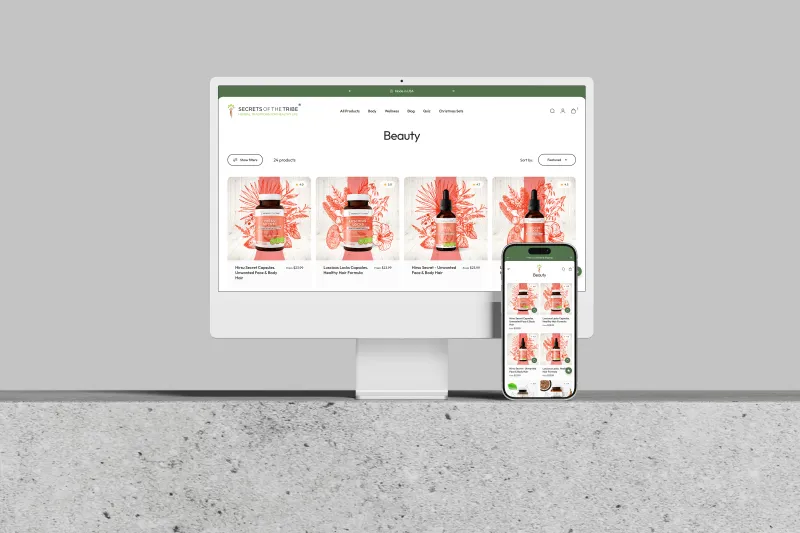
Secrets of the Tribe: From Basic Template to 49 Position 1 Rankings in 3 Months
#1 on Google for 49 searches in just 3 months

E-commerce SEO Case Study: From $28,800 in Annual Ad Spend to 7,500+ Monthly Organic Visitors
Stopped paying $2,400/month in ads, now gets 7,500 visitors free
 Featured
How a Forced Name Change Became the Best Thing That Happened to a Colorado Springs Epoxy Company
From invisible online to #1 across a 25-mile radius, fully booked, and expanding into commercial

Website Redesign for a Regenerative Medicine Clinic That Actually Converts
Patients now book online instead of calling to ask questions
Ready for Results Like These?
Let's talk about how seo can drive real growth for your business.
Get a Free ConsultationSEO Articles
View All Posts »
The Complete SEO Guide for Small Businesses (2026)
Everything a small business owner needs to know about SEO in 2026. Real strategies, honest timelines, and actual results from businesses like yours.

How to Build a Local SEO Strategy That Actually Works in 2026
A comprehensive guide to local SEO in 2026, covering Google Business Profile optimization, citation building, review management, and the tactics that actually move rankings for small businesses.

SEO vs PPC – How to Choose the Right Strategy for Your Small Business Marketing
Should you invest in SEO or PPC for your small business? This comprehensive guide breaks down both strategies, their costs, benefits, and when to use each.

SEO Guide: Google's 2025 Quality Guidelines Explained for Business Owners
Learn how Google's E-E-A-T quality guidelines actually work and how to use them to outrank competitors in local search results.

10 Website Design Mistakes Killing Your SEO (2025)
Discover the most common website design mistakes that hurt your SEO rankings and learn how to fix them for better traffic and conversions.